

Every wedding day is a whirlwind of excitement, laughter, and emotion. From the first sip of morning coffee to the final dance under twinkling lights, everything unfolds according to a schedule. Having a well-structured wedding day timeline ensures that each moment flows seamlessly, reduces stress, and allows you and your guests to fully enjoy the celebration. Proper planning gives you peace of mind and helps your vendors, family, and friends stay on track throughout the day.
Start With the Basics
The first step in planning your wedding day timeline is determining the essentials: your ceremony time, reception start, and end times. Consider the type of wedding you’re having—morning, afternoon, or evening—and how long each component typically lasts. Most ceremonies run between 20 and 45 minutes, while receptions can extend for several hours, depending on your plans for dinner, speeches, and dancing.
Once you have the start and end times, you can work backward and forward to schedule other important activities. Knowing your main events provides a framework for your day and makes adding details much easier.
Factor in Preparation Time
Getting ready on your wedding day takes longer than most people anticipate. Hair, makeup, and dressing usually require two to four hours. Allocate extra time for your bridal party as well; bridesmaids, groomsmen, and family members may need additional time to get prepared.
Don’t forget to include buffer time for unexpected delays. Vendors arriving late, makeup adjustments, or wardrobe mishaps are common, so adding 15–30 minutes of leeway can prevent unnecessary stress. Remember, a relaxed start sets the tone for the rest of your day.
Schedule Key Photography Sessions
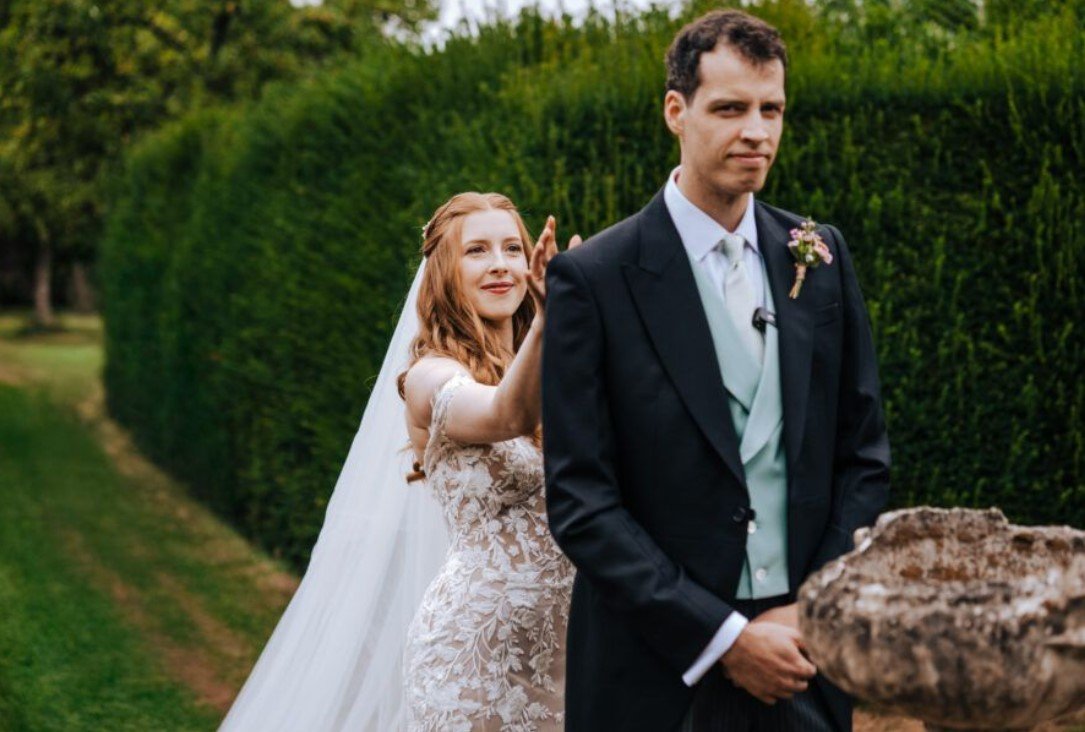
Photography is one of the most important parts of your wedding day, capturing moments you’ll cherish forever. Allocate sufficient time for formal portraits, candid shots, and couple’s photos. It’s wise to schedule these sessions either before the ceremony (for a “first look” moment) or shortly after the ceremony while guests move to the reception area.
Discuss your timeline with your photographer beforehand. They can recommend the best time of day for lighting, which ensures your photos turn out beautifully and that nothing is rushed.
Plan Travel and Transition Times
If your ceremony and reception are at separate locations, include travel time in your timeline. Traffic, parking, and guest coordination can all affect punctuality. Factor in at least 30–60 minutes for travel, depending on distance, and communicate this clearly to your wedding party and vendors.
Even when everything happens at a single venue, transition times are important. Moving from hair and makeup to photography or from the ceremony to the cocktail hour should be seamless to maintain the day’s flow.
Coordinate With Vendors
Your wedding day timeline must align with your vendors’ schedules. Caterers, florists, and entertainment professionals rely on precise timing to deliver their services efficiently. Share your timeline with them in advance, and ask for their input. Experienced vendors often provide practical advice based on previous weddings, helping you avoid common pitfalls.
Ensure your timeline includes setup and teardown times. Venues and vendors need time to arrange tables, décor, and technical equipment before the guests arrive. Overlooking this step can create chaos, so clear communication is key.
Include Meals and Breaks
Amid the excitement, it’s easy to forget basic needs like food and rest. Schedule time for you and your partner to eat, especially before the ceremony. Even a light meal or snacks can help maintain energy and prevent pre-wedding jitters.
Also, plan small breaks throughout the day for touch-ups, hydration, and a few quiet moments together. These pauses allow you to soak in the day without feeling rushed or overwhelmed.
Create a Flow for Guests
Your timeline should prioritize your guests’ experience as well. Include welcome drinks, cocktail hours, and activities that keep everyone entertained while you take care of behind-the-scenes details like photos. Smooth transitions between ceremony, cocktail hour, dinner, and dancing keep the energy positive and prevent downtime that can make guests feel restless.
Consider sending a simplified version of the timeline to your bridal party or family members who can help guide guests. This ensures everyone knows what to expect without cluttering the day with instructions.
Factor in Special Moments
Every couple has unique elements they want to include—first looks, unity ceremonies, speeches, cake cutting, and more. Identify these special moments and allocate enough time to honor them. A rushed ceremony or speech can diminish the impact, so plan realistically and stick to the timeline as closely as possible.
You can also include surprise elements or cultural traditions that make your wedding distinctive. A well-thought-out schedule ensures these moments are integrated smoothly without interfering with the day’s core events.
Plan the Evening
Evening events like the first dance, parent dances, and entertainment are key highlights of your wedding day. Schedule them logically, ensuring guests remain engaged and the energy transitions naturally from dinner to dancing. Be mindful of timing—late-night events should not end too abruptly, but also should allow vendors and guests to depart at a reasonable hour.
Build in Flexibility
While it’s important to create a detailed timeline, weddings rarely go exactly as planned. Build in some flexibility for delays or spontaneous moments that can make your day memorable. A 10–15 minute buffer between events can relieve stress and keep the day running smoothly, even if minor hiccups occur.
Finalizing Your Timeline
Once your timeline is drafted, review it multiple times with your partner, wedding planner, and key vendors. Ensure everyone understands their roles and responsibilities. A clearly communicated timeline reduces confusion and allows everyone to focus on celebrating your special day.
Conclusion
A well-planned wedding day timeline is the backbone of a successful celebration. It organizes the day, keeps vendors coordinated, and ensures you can enjoy every moment without unnecessary stress. From preparation and travel to photography and evening entertainment, each segment deserves thoughtful consideration.
By carefully mapping out each step, you create a rhythm that allows the day to unfold naturally while preserving time for both planned events and unexpected joys. With a comprehensive timeline in hand, your wedding day becomes a harmonious blend of fun, romance, and unforgettable memories—a day you, your partner, and your guests will cherish forever.
