
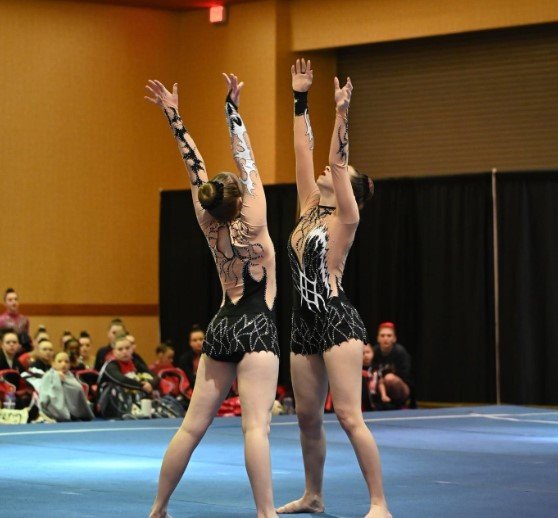

Movement, balance, strength, and flexibility are at the heart of many athletic activities, but different sports use these skills in unique ways. Two disciplines that are often confused are Acro vs gymnastics. At first glance, they may look very similar because both involve flips, handstands, jumps, and impressive body control. However, there are important differences in how athletes train, perform, compete, and work with one another.
Understanding Acro vs gymnastics is especially useful for parents choosing a sport for their children, athletes considering a new activity, or anyone interested in learning more about performing sports. While gymnastics often focuses on an individual’s ability to perform skills on specialized equipment or a floor routine, acro places a stronger emphasis on teamwork, partner balances, lifts, and synchronized movement.
What Is Acro?
Acro, often called acrobatic gymnastics or acro dance depending on the program, is a discipline that combines strength, flexibility, balance, coordination, and teamwork. Athletes usually perform with one or more partners rather than completing the entire routine alone.
A major feature of acro is the creation of balances and human structures. One athlete may act as a base, supporting another athlete who performs poses, balances, or movements above them. Athletes must develop trust and excellent communication because each person’s position affects the safety and success of the entire group.
Acro routines may include:
- Partner balances
- Lifts and throws
- Pyramids
- Handstands
- Tumbling
- Flexibility skills
- Dance movements
- Synchronized choreography
Depending on the style and organization, acro performances can be done in pairs, trios, or larger groups. The ability to work together is one of the biggest characteristics that separates Acro vs gymnastics.
What Is Gymnastics?
Gymnastics is a broad sport that focuses on developing individual physical abilities such as strength, flexibility, coordination, balance, speed, and body control. Gymnasts learn a variety of skills, ranging from basic rolls and cartwheels to advanced flips, twists, and aerial movements.
Different types of gymnastics use different events or apparatus. For example, artistic gymnastics may include floor exercise, balance beam, uneven bars, vault, rings, pommel horse, parallel bars, and horizontal bar, depending on the competition category.
A gymnast may spend years improving individual skills and combining them into routines. While team competitions certainly exist, each athlete generally performs their own routine and receives an individual score.
Common gymnastics skills include:
- Cartwheels
- Round-offs
- Back handsprings
- Front and back flips
- Twists
- Handstands
- Leaps
- Turns
- Bars skills
- Balance beam skills
Gymnastics requires exceptional technical precision. Athletes must carefully control their body position, landings, and movements while performing increasingly difficult skills.
The Main Difference Between Acro vs Gymnastics
The biggest difference between Acro vs gymnastics is the role of partnership and equipment.
In acro, athletes typically work closely with partners or groups. Their routines depend heavily on cooperation, timing, trust, and shared balance. One athlete may support another, making teamwork an essential skill.
In gymnastics, athletes usually perform independently. Even when representing a team, each gymnast performs their own routine. Success depends primarily on the individual’s ability to execute skills correctly and consistently.
Another important difference is equipment. Traditional gymnastics uses specialized apparatus, while acro commonly focuses on floor-based performance and human partnerships. Acro athletes use each other’s bodies as part of the routine, creating balances and formations that are not normally found in individual gymnastics events.
Acro Requires More Teamwork
Teamwork is perhaps the most obvious feature of acro. Every athlete has a specific responsibility during a balance or lift. If one person moves too early or loses the correct position, the entire skill may be affected.
For example, a base must provide stability and strength, while a flyer must maintain excellent body control and balance. Both athletes need to understand timing and technique.
This creates a different training environment from traditional gymnastics. Gymnasts may practice together, but they usually focus on improving their personal routines and skills. Acro athletes must also spend significant time practicing communication and learning how to move safely as a unit.
For children who enjoy cooperation and group performance, acro can be an exciting option. For those who prefer focusing primarily on individual goals and skills, gymnastics may be a better fit.
Skill Development in Acro and Gymnastics
Both sports develop many of the same physical abilities. Athletes in Acro vs gymnastics need strong muscles, flexible joints, good coordination, and excellent body awareness.
Gymnastics often provides extensive training in individual tumbling and apparatus skills. Gymnasts learn how to generate power, rotate through the air, control landings, and maintain precise body shapes.
Acro also uses tumbling and flexibility, but athletes must additionally learn partner-specific skills. These may include supporting another athlete’s weight, balancing on a partner, catching, lifting, and transitioning smoothly between formations.
Therefore, an athlete moving from gymnastics to acro may already have useful strength and tumbling experience. However, they will still need to develop new teamwork and partner-balancing skills.
Performance Style and Choreography
Performance is another area where Acro vs gymnastics can differ. Acro routines often place strong emphasis on synchronized choreography and the connection between athletes. Partners perform movements together while moving through balances, tumbling passes, and artistic sections.
Gymnastics routines can also include artistic expression, especially in floor exercises. However, the focus is generally on the individual’s execution of required or advanced skills.
Acro may feel more like a combination of athletic performance and partnership-based choreography. Gymnastics often highlights individual athletic technique across different events.
Which One Is More Difficult?
It is difficult to say that one sport is universally harder than the other. Both acro and gymnastics require dedication, discipline, strength, and consistent training.
Gymnastics can be extremely challenging because athletes must master technically complex skills and perform them with accuracy. Advanced gymnastics also requires significant courage and physical control.
Acro has its own challenges because athletes must combine difficult physical skills with trust and teamwork. A person may perform an excellent individual handstand but still need time to learn how to balance safely on a partner.
The difficulty often depends on the athlete’s strengths. Someone who enjoys independent skill development may find gymnastics more natural, while someone with strong communication and partnership abilities may enjoy acro.
Acro vs Gymnastics: Which Is Right for You?
Choosing between Acro vs gymnastics depends on personal interests and goals. Gymnastics may be an excellent choice for athletes who enjoy individual challenges, specialized apparatus, and advanced tumbling skills. Acro may be ideal for those who enjoy teamwork, partner balances, group routines, and collaborative performances.
Both sports can improve physical fitness, flexibility, confidence, discipline, and coordination. They also teach valuable lessons about practice, perseverance, and overcoming challenges.
Final Thoughts
When comparing Acro vs gymnastics, it is clear that the two sports share many physical foundations but have different approaches. Gymnastics usually focuses more on individual performance and apparatus-based skills, while acro emphasizes partnerships, human balances, lifts, and synchronized routines.
Neither sport is automatically better than the other. The best choice depends on what an athlete enjoys most. Whether you prefer performing an impressive individual routine or creating exciting skills with trusted teammates, both acro and gymnastics offer challenging, rewarding, and inspiring opportunities for athletes of many ages.
