
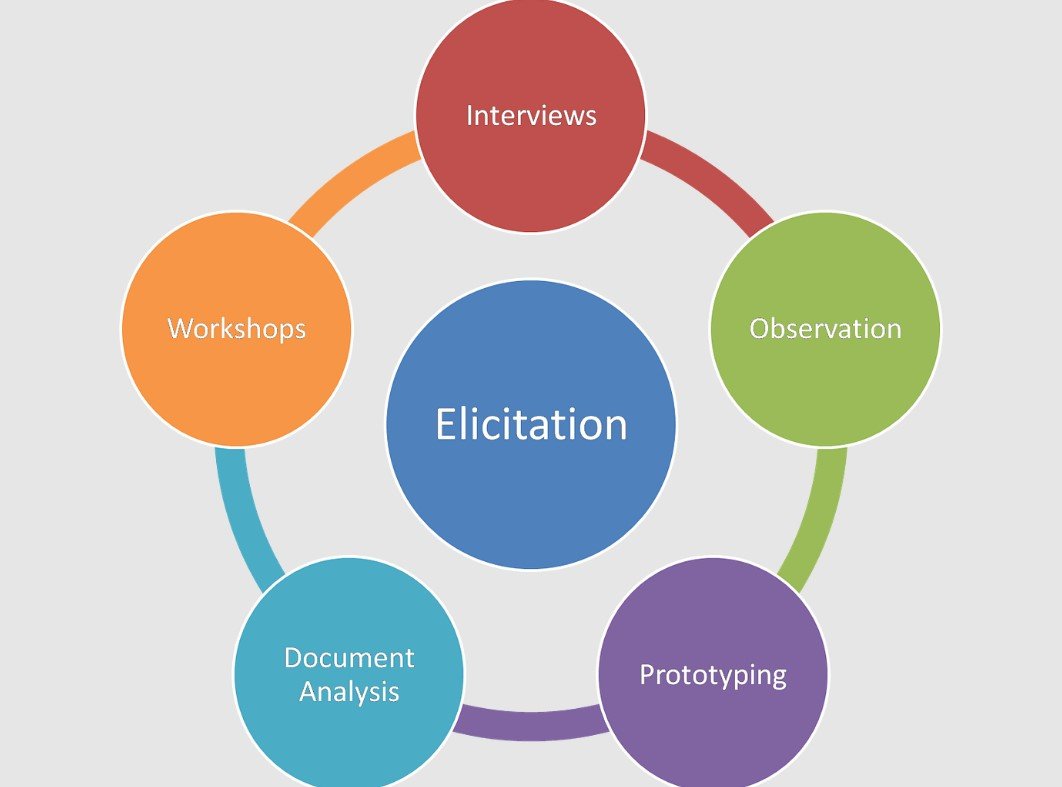

Strong requirements are rarely “collected” in one meeting. They are uncovered through structured conversations, careful observation, and disciplined decision-making. Advanced requirement elicitation focuses on reducing ambiguity early, aligning stakeholders, and translating real business needs into actionable specifications. When elicitation is done well, project teams build the right solution faster, with fewer rework cycles and fewer last-minute surprises. This article explains three practical techniques that experienced analysts rely on: facilitated workshops such as JAD, contextual inquiry for real-world insight, and MoSCoW prioritisation to manage scope.
Joint Application Development Workshops for Shared Clarity
Why workshops work
Joint Application Development, commonly known as JAD, is a structured workshop approach designed to bring the right stakeholders into the same room and move from scattered opinions to shared decisions. The key advantage is speed with alignment. Instead of interviewing stakeholders separately and later reconciling contradictions, JAD surfaces differences immediately and resolves them through guided discussion.
A well-run JAD workshop starts with a clear objective and a tight agenda. The facilitator defines what will be decided, what inputs are required, and what outputs will be produced. Typical outputs include a high-level process map, a list of functional requirements, an agreed set of assumptions, and open questions with owners and due dates.
How to structure a JAD session
To keep JAD productive, structure matters:
- Preparation: Send pre-reading, current process notes, and constraints before the workshop.
- Role clarity: Identify decision makers versus contributors.
- Time-boxing: Allocate time for each requirement area and enforce it.
- Visual artefacts: Use whiteboards, workflow diagrams, and simple prototypes to anchor discussion.
- Decision recording: Capture decisions live and confirm them before moving forward.
Many professionals strengthen workshop facilitation skills through programmes like business analyst classes in chennai, where role-play, stakeholder handling, and requirement documentation are practised in a structured environment.
Contextual Inquiry for Requirements That Reflect Reality
Moving beyond what people say
Stakeholders often describe how a process “should” work, not how it actually works. Contextual inquiry helps close that gap. It is an observational technique where the analyst studies users in their real environment while they perform tasks. The focus is on capturing context: tools used, interruptions, workarounds, informal approvals, and pain points that are invisible in meeting-room discussions.
For example, a customer service agent may mention that a ticket is “logged and resolved,” but observation might reveal multiple tools, duplicate data entry, and manual notes to compensate for missing fields. These details become critical requirements, especially for usability, integration, and process automation.
Practical steps for contextual inquiry
A clear approach keeps contextual inquiry effective and ethical:
- Choose the right scenarios: Observe tasks that are frequent, risky, or time-consuming.
- Ask short questions during work: Keep interruptions minimal and let the user lead.
- Capture exceptions: Note what happens when data is missing, systems are slow, or rules conflict.
- Document artefacts: Forms, spreadsheets, templates, and notes often contain real requirements.
- Validate findings: Summarise observed insights and confirm with users and process owners.
Contextual inquiry is especially valuable when requirements involve operational workflows, customer interactions, or compliance-heavy activities where informal steps can make or break the success of a solution.
MoSCoW Prioritisation for Controlled Scope and Better Decisions
What MoSCoW achieves
Even the best elicitation will produce more requirements than can be delivered in the first release. MoSCoW prioritisation helps teams make disciplined trade-offs. It classifies requirements into four categories:
- Must have: Non-negotiable needs required for the solution to function or meet compliance.
- Should have: Important, high-value items that can be deferred if needed.
- Could have: Useful enhancements with lower impact.
- Won’t have (for now): Explicitly out of scope for the current release.
The strength of MoSCoW is transparency. It turns vague prioritisation into clear agreement and makes it easier to explain decisions to stakeholders.
Running a MoSCoW session well
A strong MoSCoW session uses shared criteria:
- Business value and user impact
- Risk and compliance requirements
- Time and complexity to implement
- Dependencies on other systems
- Cost of delay if deferred
The facilitator should challenge “everything is a Must” thinking. A helpful approach is to define capacity upfront, then ask stakeholders to justify why a requirement belongs in the Must category. When used consistently, MoSCoW becomes a scope management tool that prevents uncontrolled expansion during delivery.
Combining Techniques for Stronger Outcomes
Advanced elicitation is most effective when these techniques are combined. JAD workshops accelerate alignment and decision-making. Contextual inquiry ensures requirements reflect real behaviour and constraints. MoSCoW prioritisation ensures the final requirement set is realistic and deliverable.
As a practical flow, teams often start with contextual inquiry to understand the current state, conduct JAD workshops to refine and agree on requirements, and then apply MoSCoW to create a release-ready backlog. This structured approach is commonly reinforced through business analyst classes in chennai, where learners practise the end-to-end process from discovery through prioritisation.
Conclusion
Advanced requirement elicitation is about precision, not volume. By facilitating structured JAD workshops, observing real work through contextual inquiry, and applying MoSCoW prioritisation, teams reduce ambiguity and build solutions that match real needs. These methods help analysts create requirements that are clear, validated, and aligned with delivery constraints. When applied consistently, they improve stakeholder trust, reduce rework, and support smoother execution from planning to release.
